Monday, January 10, 2011

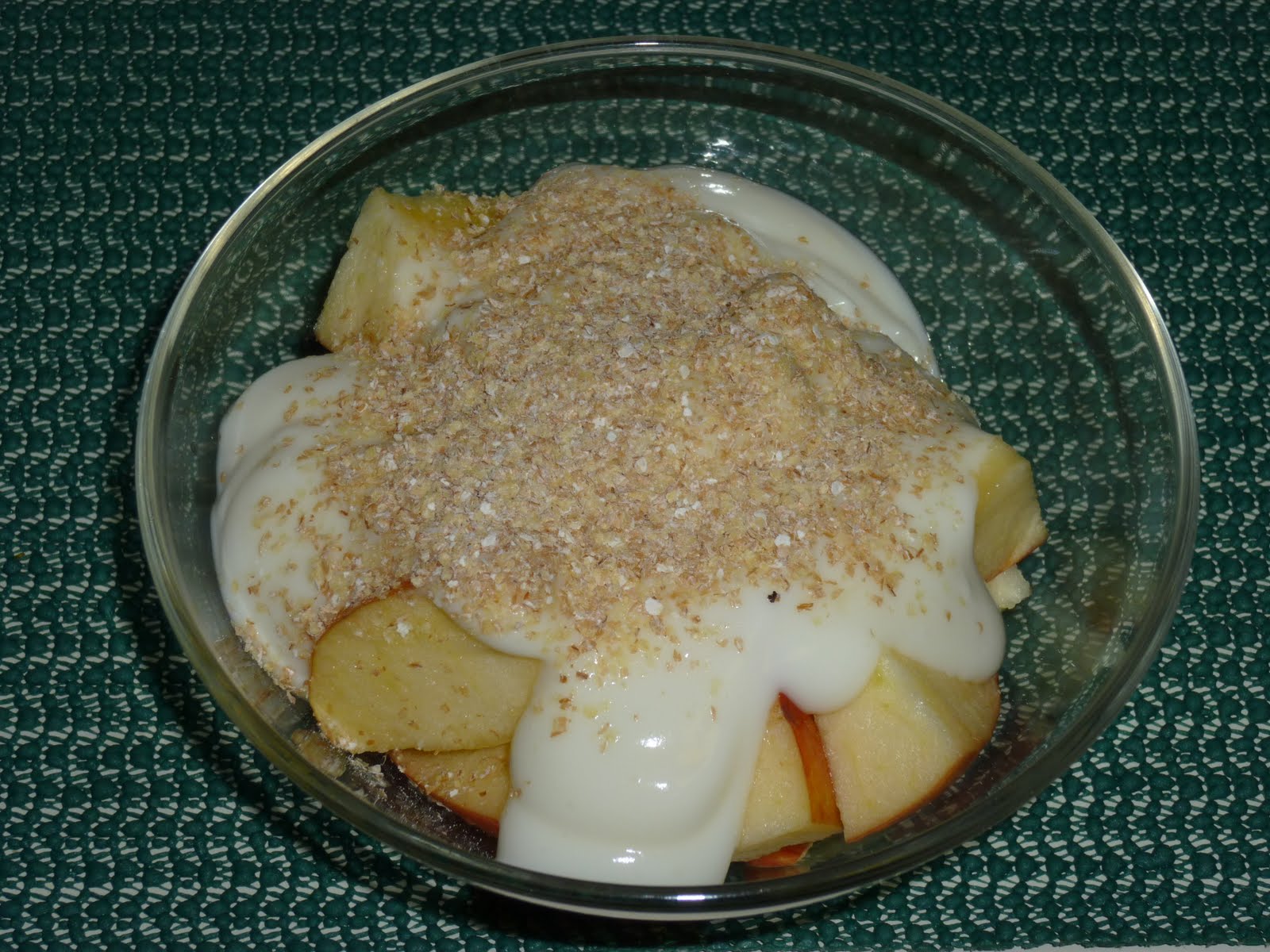
Fruit Salad with Honey-Lime Yogurt


So, what does a breakfast-lover do when she has sworn off all those fancy breakfast pastries? Come up with just as fancy an alternative.

Look at the sugar content of your average fruit-at-the-bottom yogurt. Now look at a box of Ding-Dongs. I'm not kidding. If they could make a Ding-Dong without all that saturated fat, we wouldn't be having this discussion. The alternative is to buy fat-free plain yogurt and get creative. Yogurt is very versatile. It can be used in soups, sauces, desserts, or as a meal in itself. Its probiotic qualities are well documented. It just doesn't taste all that great without a little help. In this case, you don't need to add much sweetener because you're serving it over sweet fruit.

I am suddenly a convert to the wheat bran fan club. You can't really taste it, it's cheap, and it is incredibly nutritious for its size. I plan to sneak some into any meal that is lacking in fiber. It would disappear entirely in breadcrumbs.

2 C plain nonfat yogurt
1 lime
2 Tb honey
1 apple
1 C seedless grapes
1 pear
2 Tb wheat bran flakes

1. Stir honey into yogurt. Zest lime and add to yogurt. Add juice of lime and stir well. Chill until ready to use.

2. Chop apple and pear into bite-sized pieces. Toss with grapes and divide into four cereal bowls.

3. Spoon 1/2 C of yogurt over each bowlful of fruit. Sprinkle with bran and serve.

Difficulty rating  π

Friday, January 7, 2011

Baked Tomatoes

I mentioned to Techie Smurf that I was making baked tomatoes to go with some chicken I was having. It had never occurred to him to bake tomatoes, so I decided to post it.

This definitely qualifies as a "naked" food. There's very little preparation, and the other ingredients are there to enhance the natural flavor of the tomatoes. They come out of the oven soft, very hot, and with a rich flavor that is somewhere between fresh and tomato sauce, but not quite either.

2 large tomatoes
1 Tb olive oil
dash salt
dash pepper

1. Wash tomatoes and use a corer to remove stem end. Slice open crosswise and lay open in baking dish. Preheat oven to 350º.

2. Brush cut sides lightly with oil. Sprinkle with just a touch of salt and pepper. Bake for 1 hour, until very soft, but hold their shape.

DIfficulty rating  π

Wednesday, January 5, 2011

Spice Soup


This is what I make when I'm sick. We're getting deep into cold & flu season, when dragging yourself to the market, then cooking, can sap all your strength. This is something you can do with whatever is around and be reasonably content in half an hour.

When I'm sick, I don't want fat or dairy, so this has almost none. Instead, I use strong seasonings, mostly Asian in origin. Ginger has properties that reduce nausea, so I tend to use a lot of it, but you can put in as much as suits you. I don't concern myself with eating low salt for this, since you need to hold on to all the fluids you can while you're sick.

I have also been known to make this when I'm not sick. It's why a 12¢ package of Ramen can end up costing me $10. Served over noodles, spaghetti, ramen, or soba, it's a complete meal.

1 quart water or broth of your choice
1/2 medium onion, minced (can use 1/2 C minced green onion instead)
1 Tb sliced fresh ginger or 1 tsp ground ginger
1 tsp ground pepper
2 cloves minced fresh garlic or 1 tsp garlic powder
salt to taste
1 lb green leafy veggie like bok choy, spinach (pictured), mustard greens, or broccoli - frozen and defrosted is OK.
2 carrots, peeled and chopped
1/2 lb lean protein like any white fish, shrimp, leftover pre-cooked chicken, or tofu
Any other veggie or seasoning you may want to add for accent, like edamame or cayenne pepper.

1. Put liquid in a large pot and bring to a boil, then reduce to simmer.

2. Stir in onion, ginger, pepper, garlic, and any other seasoning you want to add, and simmer for 15 minutes.

3. Cut greens into bite-sized pieces (or chiffonade for leafy greens) and add to pot. Add carrots and any other veggie you may want to use. Continue to simmer for 10 minutes, until carrots start to soften.

4. Add protein and simmer until fully cooked and warm, about 5 minutes. Add salt if needed. Serve hot over noodles.

Difficulty rating  π

Monday, January 3, 2011

Quinoa


This is the first time I've made quinoa. It's pronounced "keen-wah", and is so new to American palates that my spell-checker doesn't recognize it. Quinoa. Argh. (It doesn't recognize "argh" either.)

Quinoa looks and acts like a grain. For a more in-depth discussion, see its Wikipedia page. It's very nutritious, and not as high-maintenance to make as beans, though you need to soak it first to remove the soapy toxins on the surface. Don't panic. The green parts of potatoes are poisonous, too, and raw lima beans contain cyanide. Over the centuries, we've just gotten used to cooking poisonous foods in a way that eliminates all risk.

Basically, you cook and serve quinoa like you would rice. The benefit is that you get a complete set of proteins like what you would get in eggs, but not a lot of fat and a decent amount of fiber. Like rice, it doesn't have much taste of its own, so it is best used as a base for other grain-related dishes. There are numerous blogs and websites devoted entirely to the ingredient. Google "quinoa recipes". I'm just giving you the basic, unflavored version.

1 C quinoa
Water
dash salt

1. Place quinoa in saucepan and cover with water. If using boxed, processed quinoa, soak for 15 minutes. Unprocessed, soak for at least 2 hours. Drain off all water and rinse using a fine-meshed sieve or a colander lined with a thin cloth (a cloth napkin or dish towel is fine).

2. Return quinoa to saucepan and add 1-1/2 C water and a dash of salt. Bring to a boil, then reduce to a simmer. Cook for 15 minutes, then remove from heat and let rest 5 minutes. Fluff with a fork and serve, or use in recipes requiring pre-cooked quinoa.

Difficulty rating  π

Saturday, January 1, 2011

Part III: New Year's Resolutions

If you want to know why most people's New Year's resolution is to lose weight, check out the posts from the last couple of months. We've all been eating junk during the holidays, and lots of it.

I don't like the term "diet" in reference to losing weight. The original definition is about the whole trend of a person's food habits. You might lose weight if you think of your new eating habits as a short-term solution, but you won't keep it off.

Disclaimer: If you have a metabolic disorder like diabetes, a gastrointestinal condition, or any chronic condition requiring medication or a doctor's care, always discuss major dietary and exercise changes with your physician.

I have not been eating normally - for me - since the Pantry Project began. And I don't feel the same. Plus, my weight keeps yo-yo-ing. It's time to get back to how I've been eating the past few years. Writer Smurf's recent decision to change her own eating habits has also inspired/shamed me into preparing food in more healthy ways. Fortunately, her new diet is almost exactly how I want to eat, so we can share ideas. Obviously, there are many different opinions on what exactly healthy eating is. If you want one opinion that is weight-loss directed, check out Alton Brown's dietary makeover.


My healthy eating guidelines:

1. Water, and lots of it. I rarely drink sodas. When I do, I take their calories and caffeine into account. One 12 oz can of soda is about 160 calories. Eliminating that equals 1,120 calories a week, which will lead you to lose about a pound a week if you make no other changes to your diet. If you're worried about constantly running for the restroom, make 8-12 ounces of cranberry juice part of your daily routine (even though you've just put your soda calories back in). It really does help. There's something in cranberries that prevents bacteria from sticking to the urinary tract. Sometimes, cranberry juice alone can cure a mild urinary tract infection. And once your body has been properly hydrated for a few weeks, your bladder stretches and it isn't that big of a problem. Just cut yourself off after dinner, or you won't make it through the night.

2. Only eat when you're hungry; and then, only what you need to be full. Portion control is a standard of many diets, but you also have to address hunger. If you're hungry, eat something. Don't deny yourself, or your body will start to store what you do give it as fat. The trick is to learn how to keep healthy snacks around so you're not stuck eating something less nutritious just because it is available. And if you're not hungry at mealtime? Don't eat as much as you would have if you were hungry!

3. Fiber. Americans eat less than 50% of the recommended amount of fiber per day. Start slow, or you'll hurt yourself: fruit with the skin on, brown rice instead of white, oatmeal with raisins. After a couple of weeks, you'll be able to stomach raisin bran, whole grains, and various kinds of beans without any uncomfortable side-effects. The fiber fills you in the same way fat does, so you don't end up craving naughty foods later. I don't even want chocolate when I'm eating enough fiber. I know, scary. A fiber-rich diet will make you feel lighter and stronger, but only if you follow rule #1 and drink a lot of water.

4. Learn to like "Naked" foods. There's a whole sub-category of vegetarians and vegans who only eat raw foods. That's not what I'm talking about. Many flavors can only be brought out in foods if you cook them. What I'm referring to is not over-seasoning the main ingredient, or pouring sauces and butter on it. When a nutritious piece of steamed broccoli becomes merely the carrier for a cheese sauce, you might as well not even pretend you're eating healthy. Salt, spices, and herbs should guide a dish towards a certain result, not be an end in themselves.

5. Avoid processed foods. The more processed an item, the more salt & fat are likely to come along with it, and vitamins and minerals are often leached out. It takes 45 minutes to cook a frozen lasagne, and a little over an hour to make one from scratch. Meanwhile, you have the option of eliminating half the fat and 2/3 of the salt, while catering to your family's tastes. I'm not saying everything has to be from scratch. But, if you have the choice between buying fresh produce or something in a can, go for the fresh.

6. Protein, vitamins, and minerals. Carbohydrates are easy to find, even in the most restrictive diets. What you need to remember is to get lean proteins and a wide variety of fruits and vegetables for vitamins and minerals. If you think your diet is weak in some nutrient, consider a supplement (consult a medical professional).

7. Vegetarianism & Veganism. A vegetarian diet will not necessarily make you lose weight. If you're relying on cheeses for most of your protein, you're going to gain weight. Vegan diets can be healthy if you do your homework and take nutrition classes that specifically address vegan needs. Even then, you may need supplements.

8. Don't punish yourself for the occasional splurge. Having dinner out once a week, even with dessert, does not mean that you have to compensate by starving yourself the next day. One meal will not ruin any weight-loss plan. Your body responds to the majority of what you eat, not one visit to Cheesecake Factory. If the other 90% of the calories you have during the week are reasonable and nutritious, enjoy your night out. I don't believe in making any foods taboo, because then you'll binge on them when you do have some. Again, portion control. I have a mug full of M&M's next to my computer. Having them so easily available actually gives me the freedom to eat less; I don't feel like I have to finish a bag. One or two handfuls is enough.


I can't promise you results in pounds. I don't think of this dietary guideline specifically as a weight loss catalyst. It just makes me feel better when I eat right. My guess is a loss of 1 or 2 pounds a week until your body reaches its weight set point - what it thinks you ought to weigh. (I'm incredibly lucky and my set point is a healthy weight for me. Many have a genetic predisposition to a set point that is overweight or obese. This is an evolutionary leftover from tens of thousands of years ago, when holding on to body fat was a good thing.) This is what many refer to as a Plateau. The best way to lower your weight set point is by exercise, which increases your metabolism. Mine went down by four pounds the last time I changed jobs. Scared the hell out of me, but at least I got something out of all the running around I do at work. Again, ask your doctor what kinds of exercise are right for you.

As I start to get back on my usual eating trend, I want to create healthier versions of foods that everyone likes. I also hope to post many recipes that you may have heard of, but never thought of in this light. It's always a pleasant surprise to find out you were doing the right thing all along.
Friday, December 31, 2010

Roast Duckling Montmorency


I've been wanting to make a duck for months, but never got around to it. It seemed too extravagant for just me. So, I invited Papa Smurf over for Christmas dinner. Yes, I'm Jewish, but he isn't and I had the day off. Might as well make a fancy meal.

Ducks are great for small gatherings. They look impressive, yet they're about the same size as a chicken. Once all the fat renders off, you actually get less meat from them than you would a chicken. 99 Ranch has them for less than the average chain market.

I'm basing this on the Bible's recipe, with a few changes because I didn't actually read the whole recipe before going grocery shopping. Bad Smurf. A lot of the time, I take entire cookbooks or recipe cards with me when I go, but the Bible's too heavy to tote through the aisles. I'm also simplifying some of the steps. This was the same day I was making the plantain latkes and apple tarts.

I always prefer to use fresh cherries when they're available, even though you have to pit them. This time, I ended up with frozen. The original recipe calls for canned, dark sweet cherries.

The original recipe also used a quartered duck. I decided that a whole one looked more impressive and left it intact. You do get more meat off of it quartered, since each person gets one big piece on their plate to work on. It's all dark meat, so it doesn't matter who gets the breast or leg. Plus, the darned thing was really difficult to carve. If you don't know how to quarter poultry, pre-order it and the butcher will do it for you. Depending on the market, they might not even charge extra.

Techie Smurf is a huge fan of saving duck fat for making confit later. There certainly is plenty of it. The fat can have other culinary uses, especially if you're not a fan of lard. You can use it for sautéing vegetables in any poultry dish, instead of using butter. I'm sure there are entire sites on the subject.

1 whole duckling, defrosted
3/4 tsp salt
1/4 tsp pepper
1 lb cherries, either fresh, frozen, or canned - pitted!
1/2 C claret or sherry
2 Tb currant jelly (or any neutral flavor like apricot, lemon, or apple)
1 tsp cornstarch
1/4 C water

1. Place duck, breast side up, on rack in stovetop-safe roasting pan. Prick skin all over with a fork so the fat has somewhere to go. Sprinkle with salt and pepper. Roast at 325º for about 2 hours, until fork-tender and 165º in the deepest part of the thigh.

2. In small bowl, stir cherries with sherry and let macerate. Shortly before the duck is done, combine the water and cornstarch and set aside.

3. Remove duck to warm platter to rest, and start the sauce. Remove rack from roasting pan and pour off fat, leaving the drippings. Drain sherry from cherries. Place pan over medium heat and use sherry to deglaze drippings. Scrape all bits off bottom and pour the whole thing into a small saucepan. Place roasting pan in sink and start soaking it, or it's going to take a week to clean.

4. Place saucepan on the medium heat and add the jelly. Add the cornstarch slurry and stir until smooth. Cook until slightly thickened. Add cherries. Heat, stirring, until cherries are hot and all ingredients are well blended. Serve duckling with hot cherry sauce.

Difficulty rating :-0

Thursday, December 30, 2010

Plantain Latkes


I thought I was being so original with this idea until I googled it. After reading various opinions and recipes, I decided that I could just use my own latke recipe, but substitute plantain in equal weight.

Plantains are those things in the market that look like large, under-ripe, rotting bananas. They are often referred to as "cooking bananas", and the ones we eat as fruit are "dessert bananas". They have a taste and texture closer to potatoes, especially when they're green or yellow. If you let them ripen to the pink/black stage, they're much sweeter and almost taste like green bananas. The one I used was probably more ripe than I should have. It was difficult to grate. But, the finished product was slightly sweet, which melded fantastically with the onions.

If you've ever made latkes, none of this recipe should be a surprise. And, as usual, I recommend turning on the vent and opening the kitchen window when you fry them.

1 lb ripened plantains (not quite to all-black stage, but more than just a few black spots)
1/2 medium onion, minced
1/2 tsp salt
1/2 tsp black pepper
1/4 tsp nutmeg
1 Tb flour or matzah cake meal
1 egg, slightly beaten
oil for frying

1. Peel plantain and soak for 5 minutes in cold water. Drain, pat dry, then grate using large holes in grater.

2. Combine all ingredients in medium bowl and let sit in fridge for 10-15 minutes. Heat 1/4" oil to 350º in frying pan.

3. Spoon 2 Tb latke mix (a coffee scoop) into oil for each pancake. Fry for 3 minutes on each side, until well browned. Remove to paper towel-lined plate to drain and keep warm. If needed, add more oil between batches and wait a few minutes for it to heat.

4. Serve by themselves, or with sour cream and preserves. Since they're a tropical fruit, I recommend something like crushed pineapple or a mango chutney.

Difficulty rating  :-0

Biscuits & Gravy


I always like to make a big breakfast for New Year's. This year, I'm working in the morning, so I had my fancy breakfast a few days early. Maybe I'll make waffles for lunch on New Year's.

This recipe is kind of cheating, since I've already posted most of the components. It's just a new way to put them together.

It is, however, a bit lower in fat than you would get in a restaurant, and you can control the salt.

a double-recipe of White Sauce Base
Salt to taste
1 tsp pepper
1 package lean, pre-cooked turkey sausage links, cut into pieces

1. Prepare scones and set aside on rack to cool.

2. Prepare white sauce base. Add pepper (you may want to use more) and salt to taste. Stir in sausage pieces and cook until heated and thick.

3. Place one or two scones on each plate. They can be split open or served whole. Spoon a generous amount of country gravy on each and serve immediately.

Serves 6-8

Difficulty rating :)

Wednesday, December 29, 2010

Coconut-Banana Cream Pie

My guest at dinner the other night brought me a big bunch of bananas as a hostess gift. While I adore bananas, I also like them green. There was no way I could finish all of them before they were too ripe. Again, my weird cooking logic decided that extra bananas= pie.

There's no picture because this was the worst-looking crust I have ever made in my life. But, I'm taking it to work, and they don't care about anything except the "free food" part. Suffice it to say, do not use leftover pastry crust dough to make a pie crust.

I took the Bible's banana-cream pie recipe and added the coconut. In the process, I reduced the sugar in the custard from 1/2 C to 1/3 C. Not a big difference, but you do notice the extra sugar in the coconut if you don't reduce it elsewhere. The rest of the recipe is easy and involves about 15 minutes of work time. There's 2+ hours of chilling, then pour it in the crust. Done.

1 pre-baked pie crust or graham cracker crust
1/3 C sugar
1/3 C flour
1/4 tsp salt
2-1/4 C milk
4 egg yolks
2 tsp vanilla
*1/2 C coconut flakes
3 bananas

1. In a medium saucepan, combine flour, sugar, and salt. Add milk and stir until smooth.

2. Over medium heat, bring milk to a low boil, stirring constantly to avoid scorching. It takes about 10 minutes. The milk will thicken to coat the spoon. Remove from heat.

3. Pour about 1/2 C of hot milk into egg yolks and beat together to temper them. Pour mixture back in saucepan and stir to combine. Return to heat and warm until mixture is very thick and mounds when dropped from a spoon. Do not boil. Stir in vanilla and coconut. Cover surface of custard with a sheet of plastic wrap, so it is not exposed to air. Chill in fridge at least 2 hours.

4. Slice bananas thinly and arrange to cover bottom of pie crust. Take any remaining slices and dip them in watered-down lemon juice to preserve color, then set aside for garnish. Pour custard into crust, then garnish with reserved banana slices and more coconut flakes, if desired. Whipped cream also makes a fantastic garnish. Keep chilled until ready to serve.

Serves 8 to 10

Difficulty rating  :-0

Monday, December 27, 2010

Apple Tart


I asked Papa Smurf if he wanted to bring a guest to Christmas dinner. Since I hadn't heard from him, I planned on using a two-serving rum cake I had in the pantry. He didn't invite someone until two days before, and I was not about to go grocery shopping on Christmas Eve. So, it was time to scrounge around for ideas.

Being me, I have a lot of apples on hand, so I decided to make mini apple tarts. The recipe I'm posting is for the full 11" tart, but I'm guessing the same amount of dough and filling would make about 8 single-serving tarts. My tart tins were 10cm (about 4").

You'll notice there are no spices in this recipe, just enough sugar to make it a dessert. Tarts exist to show off the fruit. You don't want to overdo the seasonings.

1 batch of Pastry Crust
2 lbs of apples (Golden Delicious, Roma, or Gala are probably best)
1 Tb lemon juice
1/4 C sugar
1/4 C brown sugar
2 Tb flour
1/2 C apricot jelly (or other clear, neutral jelly like lemon or apple)

1. Fill large bowl with cold water and add lemon juice. Peel apples if desired. Core apples, halve them, and slice into 1/8" thick slices. Appearance matters in this case. The slices need to be pretty. Place slices in water so they don't brown. Preheat oven to 400º.

2. Combine sugars and flour. Into prepared, unbaked pastry crust, sprinkle half of sugar mixture. Drain apple slices and arrange in overlapping swirl pattern in the crust. It should mound up slightly above the level of the pan, but not as high as for an apple pie. Sprinkle with remaining sugar. Bake 45 minutes (30 for minis), until apples are cooked and crust is browned. Remove to a rack to cool, but leave in the tart pan.

3. Melt jelly and brush top of tart. Let cool. Remove pan sides and serve.

Serves 8 to 10

Difficulty rating :-0